
Kids spend most of their early life at home. For a child on the autism spectrum, that makes the living room or kitchen the most logical place to build new habits.
Thank you for reading this post, don’t forget to subscribe!
In-home ABA therapy shifts the focus away from traditional clinic settings. Rather than working solely at a desk, sessions integrate directly into daily routines such as bedtime, mealtime, or play with siblings.
Here is why so many families prefer bringing therapy into their own space:
1. Learning in a Familiar Space
New environments can trigger immediate anxiety. Unfamiliar halls, strange sounds, and new faces often derail a session before it even gets off the ground.
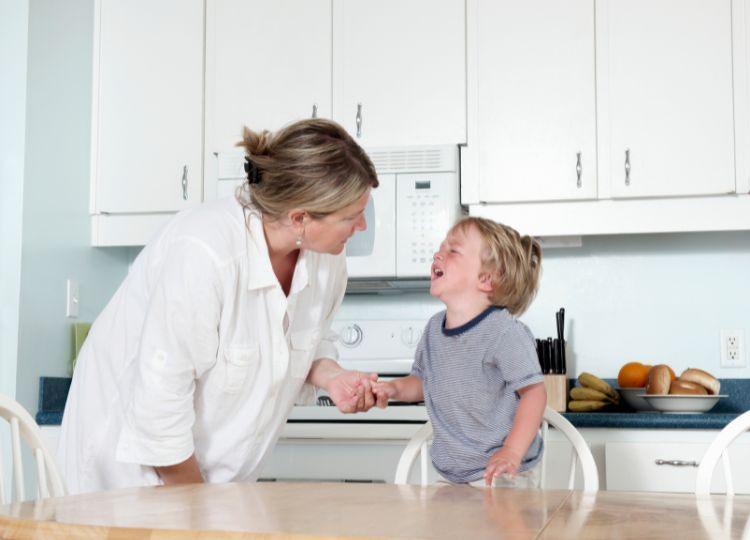
Home offers an existing comfort level. That comfort allows therapists to observe how a child actually communicates in daily life. When a meltdown occurs right as dinner gets served, the therapist works through the moment as it unfolds.
2. Skills Can Be Practiced During Real-Life Activities
Waiting for a dedicated therapy session slows things down. In-home ABA weaves learning straight into the daily grind.
A child practices skills while:
- Brushing teeth or getting dressed
- Eating meals together
- Sharing toys with siblings
- Cleaning up before bedtime
Because these moments happen every single day, kids get endless opportunities to practice communication and problem-solving without it feeling like “school.”
3. Parents and Caregivers Learn How to Support Progress
ABA therapy doesn’t stop when the therapist leaves. That’s the whole point of doing it at home.
Parents aren’t just sitting on the sidelines. You get to watch the strategies in action and learn how to respond consistently when things get tough. Instead of guessing how to handle a massive meltdown or encourage a request, you pick up actual tools you can use on your own.
4. Therapy Can Target Individual Family Needs
Every household operates differently. What works for one family’s chaotic morning routine won’t work for another.
Because therapists are inside your house, they build goals around your actual life. Whether that means helping your child get dressed independently, cutting down on dinner table battles, or playing peacefully with a brother or sister, the targets are tailored entirely to your family’s daily friction points.
5. It Helps Children Generalize Skills
Learning to wait your turn in a quiet room is one thing. Doing it in a living room with pets, siblings, and background noise is completely different.
That gap is called generalization or the struggle to take a skill learned in one spot and use it somewhere else. In-home ABA bypasses that problem entirely. Kids learn how to ask for help in the kitchen or follow instructions in their own bedroom from day one.
6. Families Can Address Challenges as They Happen
The biggest breakthroughs usually happen by accident. An unexpected transition or a sudden change in plans can trigger a meltdown.
When a therapist is on-site, they don’t have to rely on a recap of what happened earlier. They see the trigger, look at the patterns, and help you teach the child a better way to communicate their frustration right when it occurs.
Get Started With Gradual Behavioral Health Today!
If you want therapy that fits seamlessly into your daily life and gives your family practical tools, in-home ABA is worth looking into.
Gradual Behavioral Health offers individualized in-home ABA services that help children with ASD build important communication and independence skills. We aim to ensure their consistent progress to prepare them once they are outside the four corners of their home.
Reach out or call (404) 941-8614 to talk to our team and see how we can support your family.
Frequently Asked Questions
Do parents have to participate?
You don’t have to be present for every single second, but active involvement helps immensely. Learning the strategies ensures your family can support progress long after the session ends.
Can in-home ABA help with daily living skills?
Absolutely. It’s one of the main advantages. Therapists work directly on bedtime routines, personal care, and household chores right where they happen.
How is it different from clinic-based ABA?
It mostly comes down to the environment. In-home ABA happens in your child’s natural space, while clinic-based therapy takes place in a dedicated facility. Both work well, but home-based care targets daily life directly.