

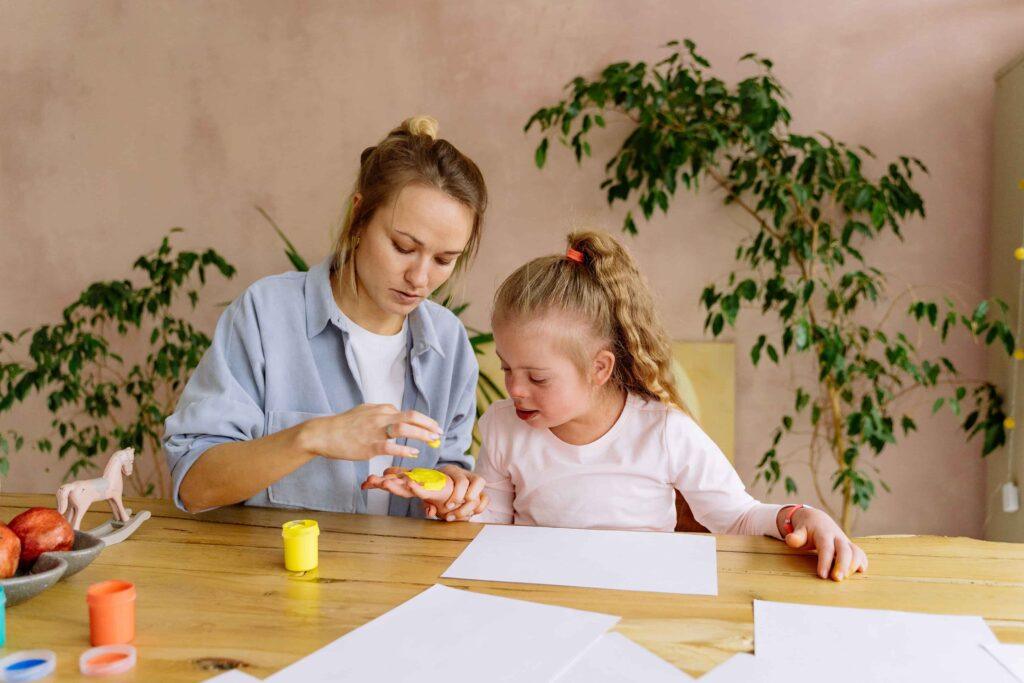
Starting in-home therapy usually comes with a lot of uncertainty. What happens during a typical visit? Will your child even go along with it? How much hands-on time falls on you, and how do you fit a therapist into an already hectic household?
Thank you for reading this post, don’t forget to subscribe!
Unlike school-based ABA therapy, In-home ABA simply meets your child where they are. Rather than driving to a clinic, therapy happens in their safe space – using familiar rooms, favorite toys, and everyday moments to teach practical skills.
What Is In-Home ABA Therapy?
In-home ABA uses Applied Behavior Analysis principles to help kids pick up functional skills and work through behaviors that make daily life hard. Because therapy happens at your kitchen table or living room floor, lessons attach directly to naturally occurring moments.
Treatment plans target whatever your child needs most, whether that’s speech, social connection, following basic directions, self-care, or managing big outbursts.
There’s no copy-paste checklist for a session. Every plan pivots around your child’s specific strengths and hurdles, with the clinical team adjusting strategies as your child grows.
Why Families Choose ABA Therapy at Home
Practicing skills where they actually matter makes a massive difference for young kids. In-home care offers clear advantages:
- Familiar spaces: Kids learn in a comfortable environment, cutting down initial anxiety.
- Natural routines: Lessons happen during real meals, playtime, and getting dressed.
- Contextual learning: Skills are taught in the exact spots where kids need to use them.
- Parent involvement: Caregivers watch strategies firsthand and learn how to use them.
- Custom scheduling: Therapy molds around your family’s actual day, not a clinic’s.
The end goal isn’t just getting through a therapy session. It’s making sure your child can use those skills when the therapist leaves.
What Happens During an In-Home Session?
No two sessions look the same. It all hinges on your child’s mood and what you’re working on that day.
Therapists usually kick things off with a low-key check-in to see how your kid is feeling. From there, they mix work right into play. If speech is the focus, the therapist creates organic moments during play for your child to ask for a toy. If it’s about life skills, they’ll practice tidying up blocks or pulling on shoes.
When your kid makes an effort, the therapist jumps in right away with verbal praise or a favorite activity to make that effort stick. Behind the scenes, a BCBA tracks all the progress, tweaking the plan as needed and checking in with you to see how things are going at home.
What Is the Parent’s Role?
You don’t need a psychology background for in-home therapy. You just need to be the expert on your own child.
During sessions, you’ll share family routines and learn practical strategies alongside the therapist. They’ll coach you on prompting speech, encouraging independence, and handling meltdowns so growth continues 24/7.
Most importantly, you supply what a therapist can’t see in a two-hour visit (e.g. poor sleep, food frustrations, or sudden sensory overload).
Preparing Your Home for Therapy
You definitely don’t need to turn your house into a mini-clinic or have everything spotless.
A quiet floor space with room to move around is usually plenty. Therapists gladly work with whatever toys, games, and household items you already own.
To make sessions run smoothly:
- Clear away major distractions during structured learning time
- Keep your child’s absolute favorite toys accessible
- Walk the therapist through your normal household rules and schedules
- Be open about what causes daily meltdowns or frustration
Everyday domestic mess is totally fine. Real life is where practical skills get tested anyway.
Questions to Ask Before You Start
Before signing off on a treatment plan, make sure you get straight answers to these questions:
- What specific goals are we targeting first?
- How exactly do you measure and track my child’s progress?
- What does my day-to-day involvement look like during sessions?
- Who is supervising the frontline therapist, and how often?
- How often do we review and update the treatment plan?
- How will session times fit around our family’s schedule?
- What’s the protocol if my child completely refuses to participate?
- What specific exercises should we practice between visits?
Clear expectations upfront stop misunderstandings before therapy even starts.
Making Therapy Fit Family Life
In-home ABA has to work inside your real life. That means accounting for school runs, job stress, siblings, dinner prep, and sudden chaotic moments.
Therapy should support your home life, not run it. Speak up immediately if a strategy feels impossible to implement or if your household routine changes. The clinical team can always adapt.
When parents and therapists communicate openly, kids get endless organic opportunities to practice skills where it counts most.
Get Started With In-Home ABA Today
Starting therapy is a big step, but understanding the flow makes day one far less daunting. At Gradual Behavioral Health, we build in-home ABA programs that respect your family’s space, schedule, and goals.
If you’re exploring in-home ABA therapy in Georgia, reach out to us today to see how we can support your child’s growth right at home.
Frequently Asked Questions
Is in-home ABA actually effective?
Yes. Learning skills in the exact environment where they’ll be used helps kids retain information much faster than in an unfamiliar clinic setting.
How long does a home session last?
It depends on your child’s age and overall treatment plan, but most visits land somewhere between 2 and 4 hours.
Do parents have to stay in the room the whole time?
Not always. You’ll participate heavily during parent coaching blocks, but you can step back during direct therapist-child work as long as an adult remains in the house.
What if my kid flat-out refuses to participate?
Tell your BCBA right away. Therapists expect resistance early on and will adjust the activities, rewards, or pacing to make sessions feel less overwhelming.