

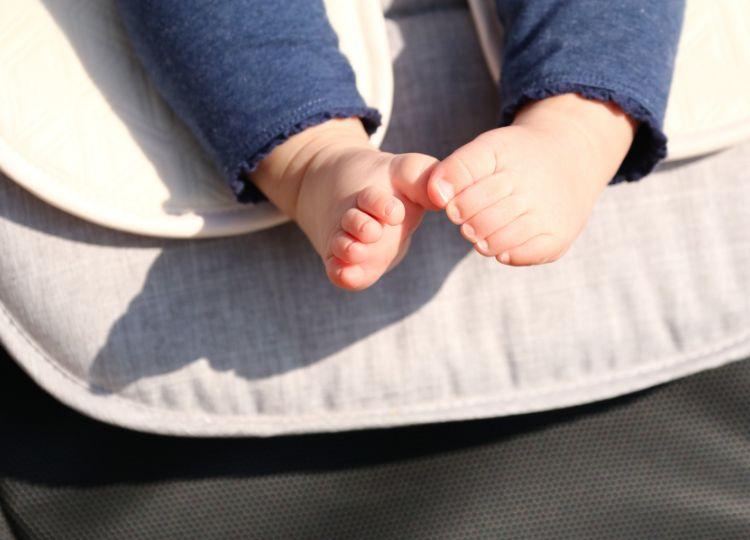
Ever catch your kid constantly rubbing their feet together? Maybe it happens right before sleep, during downtime, or when they’re excited. It feels like a random habit at first, but after a while, you start searching if it’s a sign of autism.
Thank you for reading this post, don’t forget to subscribe!
It can be linked to sensory processing, but the movement by itself isn’t a diagnosis. A lot of kids rub their feet simply because it feels good, dumps nervous energy, or calms their body down.
Don’t stress over the movement alone. Look at why it’s happening in that moment.
Why Do Children Rub Their Feet Together?
Kids pick up physical habits constantly. They twirl hair, tap toes, or fidget with objects. Foot rubbing is just another way a child connects with their body.
A few main reasons drive this:
- Self-soothing. Repetitive motion dumps nervous energy at bedtime or during quiet moments.
- Sensory feedback. Deep pressure against the soles of the feet simply feels grounding and good.
- Pure habit. Just like an adult bouncing a leg while reading, kids do it without thinking.
One isolated habit never gives you a diagnosis. Look at the speech, social play, and overall milestones tell you far more than a single foot movement.
Is Rubbing Your Feet Together A Sign Of Autism?
Foot-rubbing does show up in autistic children, but it isn’t an immediate diagnostic sign by itself.
In kids with autism, repetitive movements are usually called stimming (self-stimulatory behavior). Stimming helps people regulate big emotions, process sensory input, or stay grounded.
Common examples of stimming include:
- Rocking back and forth
- Flapping hands when excited
- Spinning toys or spinning their body
- Repeating specific words or sounds
- Tapping fingers or rubbing skin
If foot rubbing calms their nervous system, it might be stimming.
Still, non-autistic kids use repetitive comforts all the time. A child who rubs their feet before bed isn’t automatically on the spectrum.
On the flip side, if foot rubbing comes alongside speech delays, social struggles, or several other repetitive habits, it’s worth bringing up with your pediatrician.
What Is Stimming And Why Does It Happen?
Stimming is how the body handles emotion and sensory overload. It isn’t just an autism trait; most people have repetitive habits to manage stress.
Kids stim for a lot of reasons:
- Pure excitement
- Loud, overwhelming spaces
- Winding down before sleep
- Intense concentration
Stimming helps a child regulate their nervous system. If a habit is harmless and doesn’t interfere with daily life, you can safely leave it alone.
When Should Parents Be Concerned About Repetitive Behaviors?
Seeing your child rub their feet together every now and then isn’t a red flag. Repetitive habits are a totally normal part of growing up.
Where you want to pay attention is if repetitive habits happen alongside broader developmental differences.
Signs worth checking with a professional include:
- Delays in speech or language
- Not responding when you call their name
- Little to no interest in playing with others
- Struggling with pretend play
- Big meltdowns over specific textures, sounds, or lights
- Panicking over minor routine changes
- Repetitive habits that completely hijack daily life
Timing and reason matter, too. Does your child rub their feet only when exhausted? Or do they do it all day long, to the point where they stop playing or talking to you? Those details are what really count.
If you are worried, a Gradual Behavioral Health ABA therapist can help you sort out if a formal evaluation makes sense.
How ABA Therapy Can Help With Repetitive Behaviors
ABA therapy doesn’t exist to eliminate every repetitive habit. It looks at why the habit exists in the first place.
If a movement turns into a real hurdle, a therapist figures out the trigger. Say a child stims intensely when a room gets too loud. They might just need a clear way to communicate that they feel overwhelmed.
Good therapy focuses on practical swaps rather than forced compliance:
- Requesting a break. Giving kids a clear signal or word to use when overwhelmed.
- Improving communication. Replacing intense habits with functional ways to speak up.
- Handling transitions. Teaching strategies to move between activities with less friction.
Here at Gradual Behavioral Health, our ABA programs focus on real-world communication and daily skills. We step in when a behavior actually gets in the way of a child’s day-to-day life and help them get back on track.
Conclusion
Rubbing feet together can mean a lot of different things. While it can be a sensory behavior, it isn’t an autism diagnosis on its own.
Keep your eyes on your child’s overall growth, communication, and social habits. If you have concerns, figuring out what’s driving the behavior is the best place to start.
Gradual Behavioral Health offers custom ABA therapy built to help kids gain core life skills in a supportive environment. Reach out to their team to see how ABA therapy can support your child.
Frequently Asked Questions
Should I stop my child from rubbing their feet together?
Not unless it’s causing physical harm or stopping them from doing everyday activities. Safe, self-soothing habits are best left alone.
Can sensory behaviors appear before an autism diagnosis?
Yes. Kids often show sensory preferences or repetitive habits early on. But a single habit like foot rubbing can’t confirm autism by itself.
How can I tell if my child’s behavior is typical or a concern?
Look at the big picture. Evaluate their speech, eye contact, social interactions, and play skills rather than focusing on one single habit.